BioCharpe
BioChar
Enriching African soils while sequestering carbon for long-term climate benefit.


Enriching African soils while sequestering carbon for long-term climate benefit.
Community-scale plastic recycling powered by biomass energy — no grid required.
An integrated system turning plastic and biomass waste into energy, durable products, and climate-positive impact.
Decentralized, locally repairable, and scalable waste-to-value hubs for real communities.


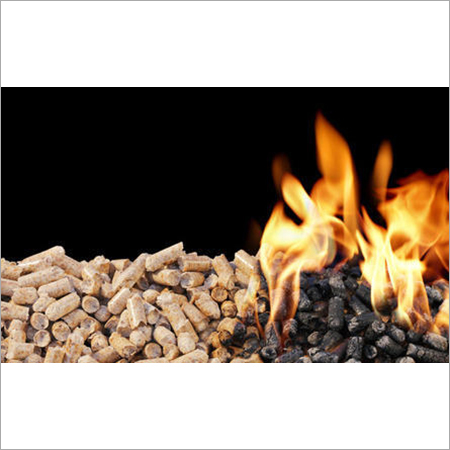
Biochar is a carbon-rich powerhouse created through pyrolysis—the process of heating biomass in a low-oxygen environment. This creates a material that is chemically stable yet physically transformative.
Carbon Sequestration: It acts as a permanent carbon sink. Each ton produced can generate approximately USD 200 in Carbon Credits, turning environmental stewardship into a tangible revenue stream.
When integrated into the soil at the optimal ratio, biochar functions as a "soil battery," providing the following benefits:
Superior Water Retention: Its porous structure holds moisture like a sponge, protecting crops during dry spells.
Input Efficiency: It locks in nutrients, allowing you to reduce fertilizer use by 50% without sacrificing health.
Exponential Yields: Field results have shown the potential to double harvest volumes by optimizing the root zone environment.
Unlike compost or manure which breaks down quickly, biochar is inert and permanent. Once it is applied to your fields, it remains sequestered for hundreds—even thousands—of years, providing a "one and done" solution for soil health.The company https://www.wastex.io/ suggests biochar has resulted in a 95%
increase in yield for its partner corn farmers in the Philippines and Indonesia,
while reducing fertiliser use by 50%.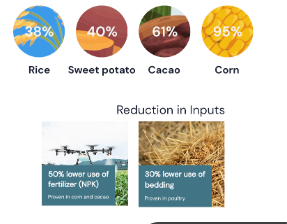
The company https://www.wastex.io/ suggests biochar has resulted in a 95% increase in yield for its partner corn farmers in the Philippines and Indonesia, while reducing fertiliser use by 50%.
Based on WasteX's own trials and implementations, application of biochar can:
Increase crop yields up to 95%
Cut the need for fertilizer by up to 50%
Boost overall soil health
Grade A: Carbon content >70%
Grade B: Carbon content >40%
In Zambia, 2025 brought extended load-shedding that left communities with as little as two hours of electricity per day. Factories shut down, recycling slowed — yet plastic waste continued to grow.
Centralized recycling facilities are far from waste sources and rely on grid electricity.
Heavy dependence on grid electricity makes large recycling factories impractical across Africa.
Expensive equipment, transport, and fuel costs limit local value creation
Worsening pollution, deforestation, declining soil health, and rising emissions.
The core problem is not lack of effort. It is the wrong system design.
This challenge is not unique to Zambia. Across Africa, unreliable power supply makes large, centralized recycling factories impractical, while waste continues to accumulate at the community level.
Recycling systems across the continent face the same structural barriers:
Globally, the consequences are clear: worsening plastic pollution, increased deforestation, declining soil health, and rising emissions — while the communities closest to the problem benefit the least.
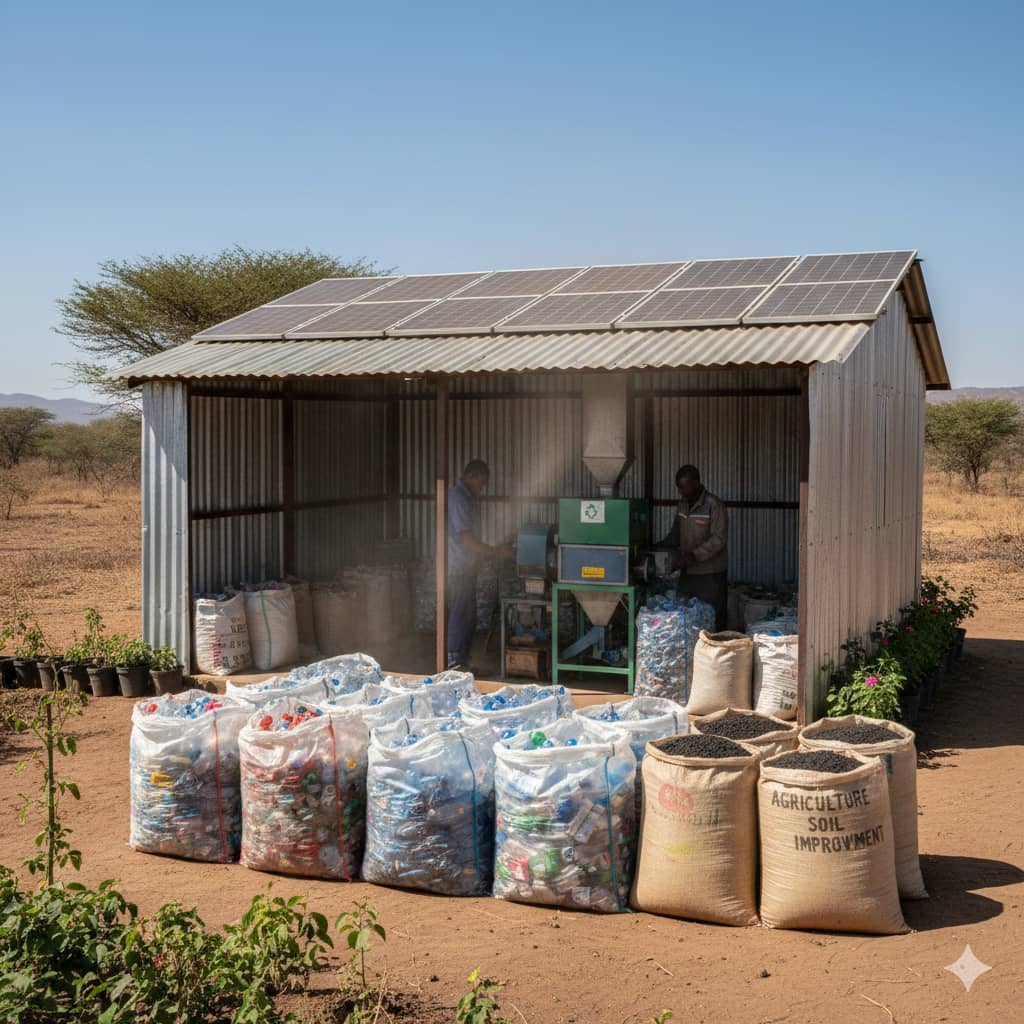
In 2025, Zambia’s load-shedding crisis shut down factories while plastic waste continued to pile up. The contradiction was clear: recycling depended on electricity that communities did not have.
So we asked: What if recycling did not depend on the grid?
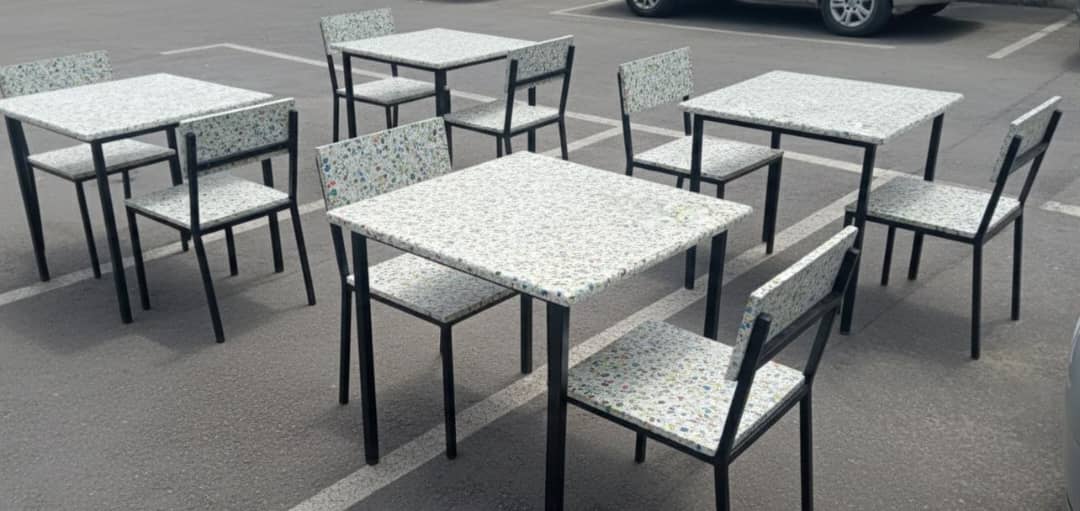
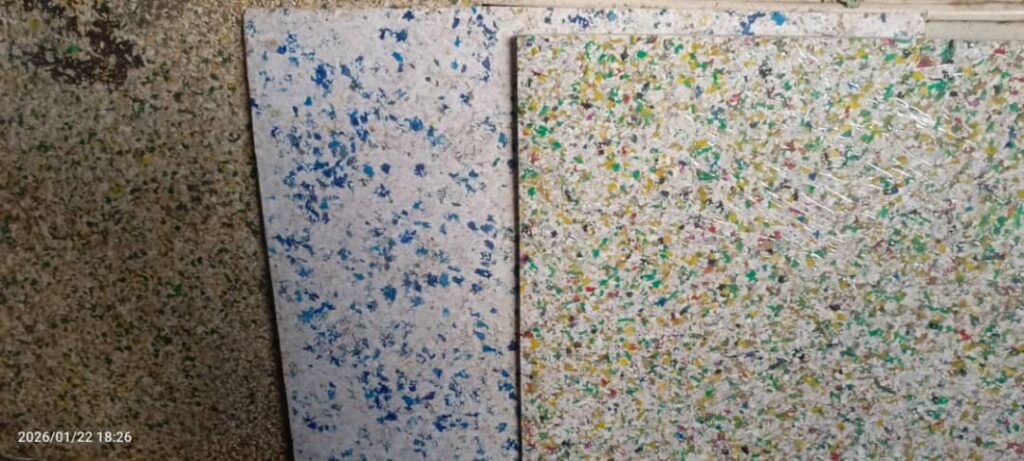
BioCharPE answers with a modular, off-grid system powered by biomass energy. It transforms plastic waste into durable recycled boards while producing biochar as a valuable co-product for agriculture and climate impact.
Deployed at community scale, close to waste sources
Powered by biomass, not the grid
Boards, biochar, and usable heat from one hub
Built and maintained with local skills and materials
BioCharPE draws from high-efficiency ceramic kiln and clean cooking stove technologies proven in Zambia.
Built on Proven Local Biomass & Pyrolysis Expertise
BioCharPE is grounded in thermal and biomass energy principles that are already proven, reliable, and locally manufactured in Zambia.
The system draws inspiration from high-efficiency ceramic kiln and clean cooking stove technologies that have operated successfully for years under real African conditions — demonstrating durability, safety, and performance in energy-constrained environments.
A local reference point is the biomass-fed pyrolysis Peko Pe stove, produced in Zambia by Miombo (www.miombo.no). These systems validate the robustness of biomass-based thermal processing in low-infrastructure settings.
BioCharPE builds on this proven foundation — integrating biomass energy, plastic processing, and biochar production into one practical, community-scale waste-to-value solution.
Biochar enhances soil fertility, improves water retention, increases crop productivity, and locks carbon safely into the ground for long-term climate benefit.
Each hub creates direct employment, supports waste collectors, and builds technical skills within the community — turning waste management into economic opportunity.
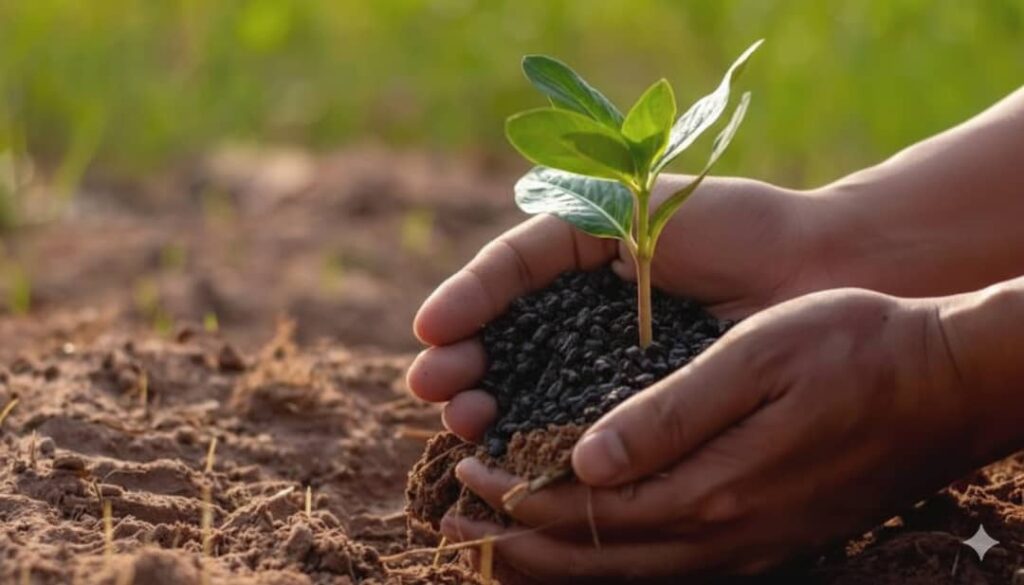
Biochar enhances soil fertility, improves water retention, increases crop productivity, and locks carbon safely into the ground for long-term climate benefit
Each hub creates direct employment, supports waste collectors, and builds technical skills within the community — turning waste management into economic opportunity. See Our Impact
Every hub generates daily outputs across waste reduction, employment, materials production, agriculture, and climate action.

Founder & Concept Architect
Tomas is the visionary behind BioCharPE. With deep expertise in thermodynamics and systems thinking, he conceived the idea of transforming waste plastic using biochar-based heat rather than grid electricity. A Swedish national, he has developed sustainability initiatives across more than ten countries and is the founder of Green Power Solutions.

Co-Founder & Technical Lead
Castrol is a seasoned recycling innovator with over 17 years of hands-on experience in Zambia’s recycling sector and co-founder of Newtech Recycling. He transformed BioCharPE from early sketches into a locally manufacturable, operational system through years of prototyping and field testing.
BioCharPE scales through partnership — not centralization. It is designed to be deployed in every community, so plastic waste is addressed at its source and local people directly benefit from the value created.
BioCharPE scales through partnership — not centralization.
BioCharPE is not meant to stop in Zambia.
It is designed to be deployed in every community, so plastic waste is addressed at its source and local people directly benefit from the value created.
We work with:
We provide:
BioCharPE is not a one-off project.
It is a platform for building local circular economies, community by community, country by country.
WHAT CAN YOU DO
Partner with us. Host a hub. Sponsor a hub. Invest in scale.
Help take BioCharPE to every community where plastic is a problem, and turn waste into lasting local opportunity.
We call on individuals, companies, NGOs, and institutions to come on board, sponsor a hub, and lets create lasting community impact…. together.
Ready to partner with us? Reach out for biochar production, biomass equipment, plastic recycling, or recycled plastic boards.
Turning Waste Into Value. Innovative biochar production, biomass energy, and plastic recycling solutions for Africa.
Transforming plastic waste into durable products and biochar for agriculture — creating green jobs and cleaner communities across Africa.
Copyright © 2025 . Powered By Go-Digital zm.